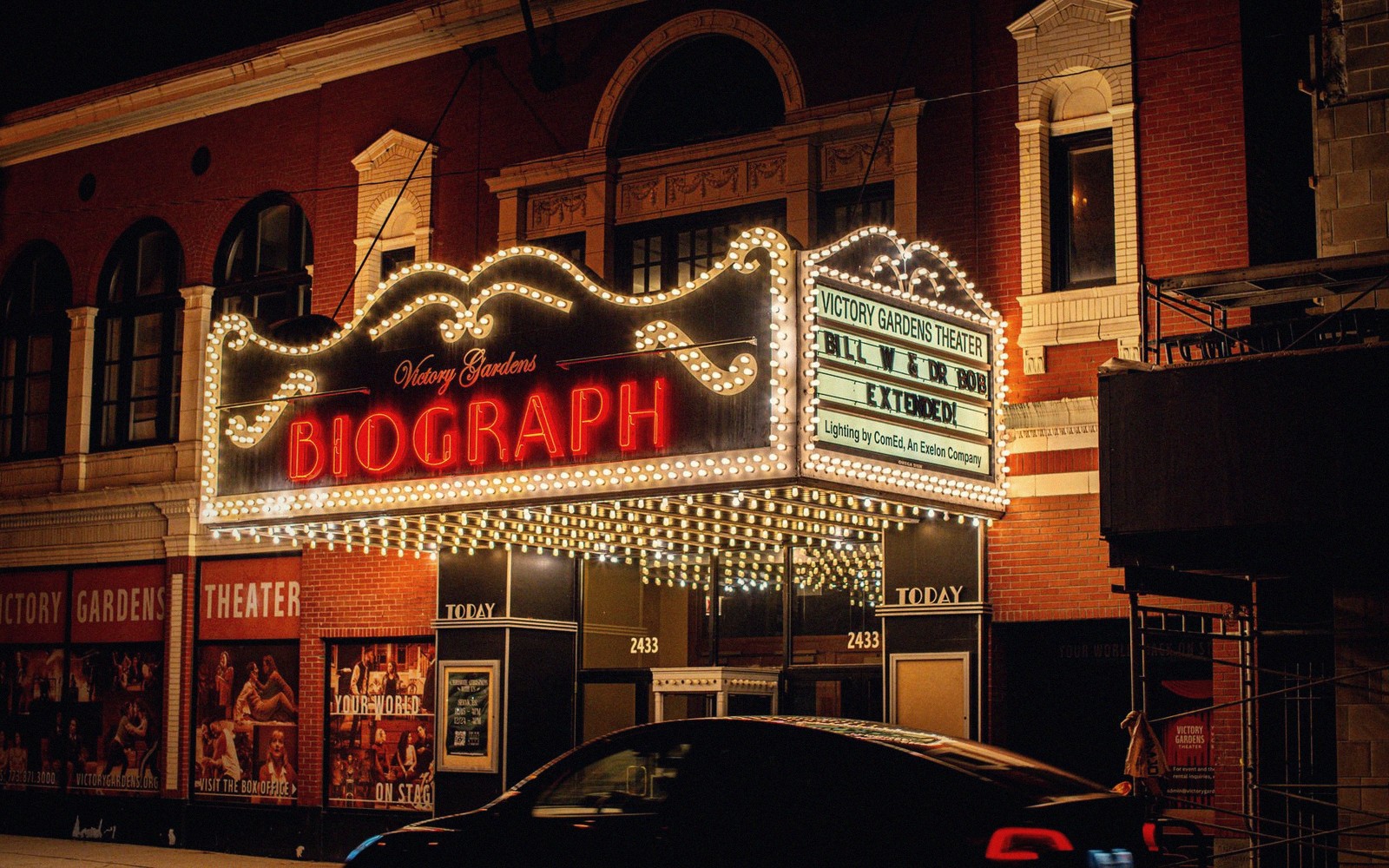
Notes from the auditorium — an independent, loving guide to cinema as a craft and an experience: how films are made, how the great forms work, and why the room itself still matters.
Enter the programme
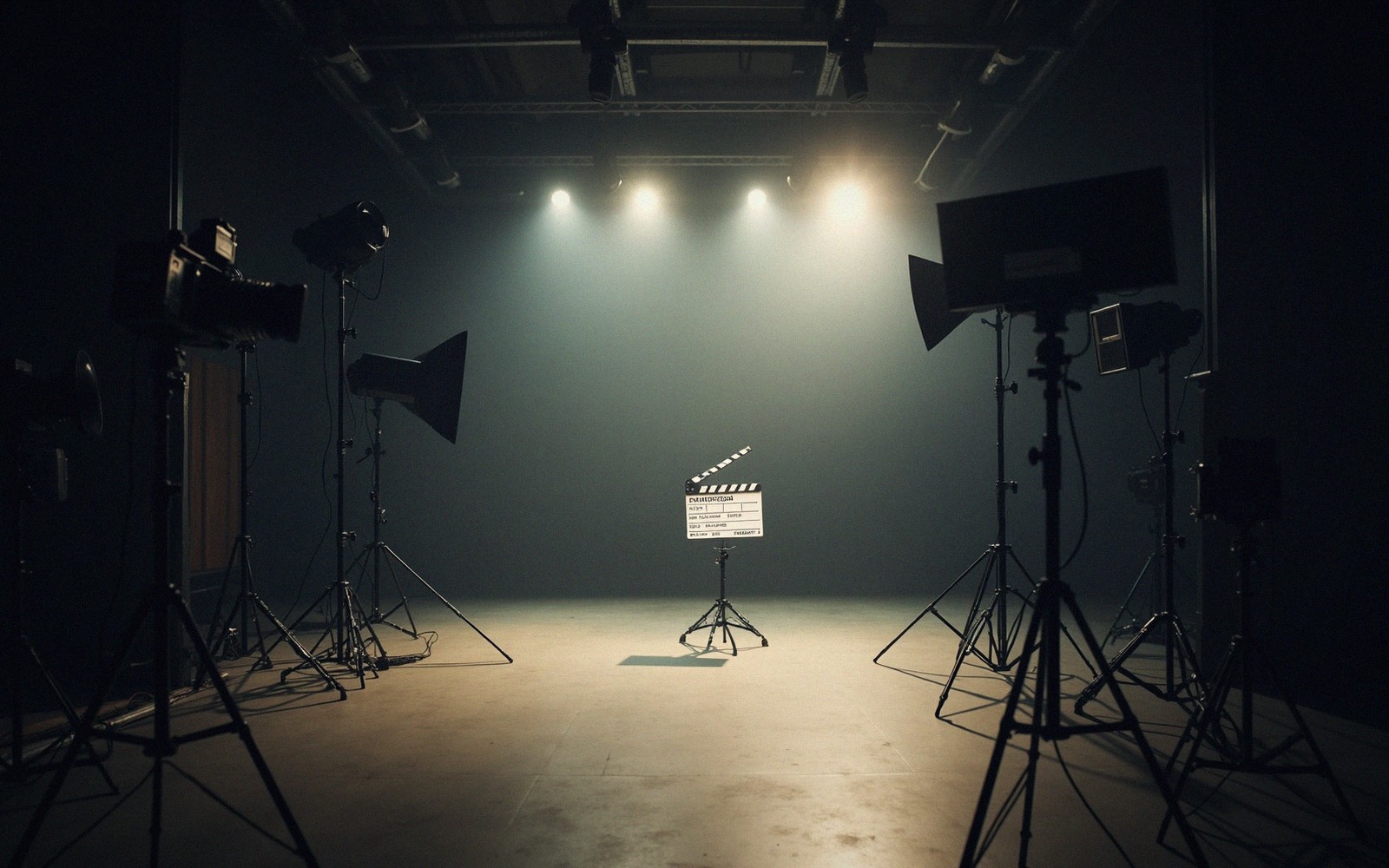
Mise-en-scène made simple — everything in the frame is a choice. The single habit that turns watching into seeing.
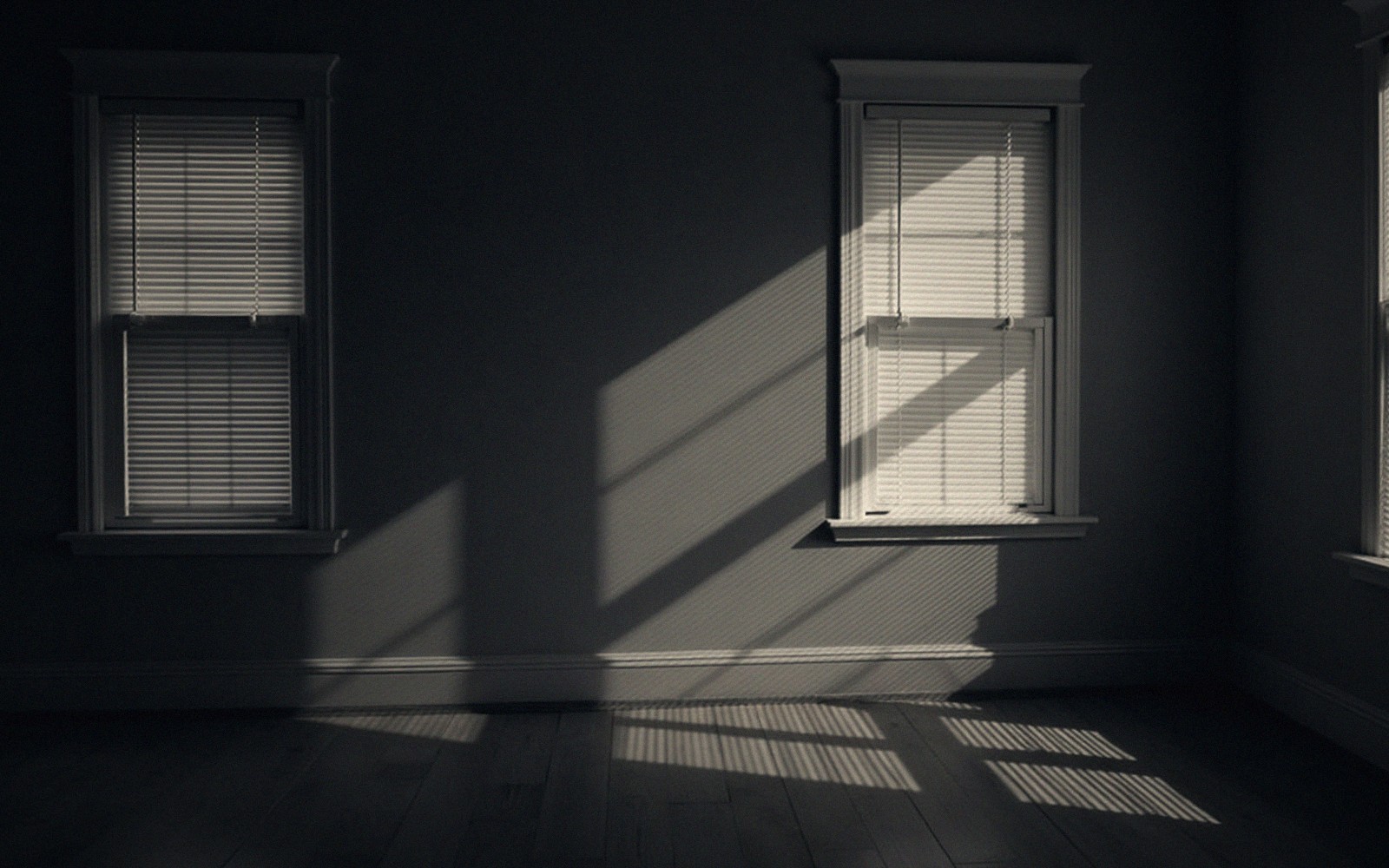
Shadows, fatalism and wet streets — a style, a mood, and an argument about what it even is.
When the frame comes in tight, what the film is really asking you to feel.
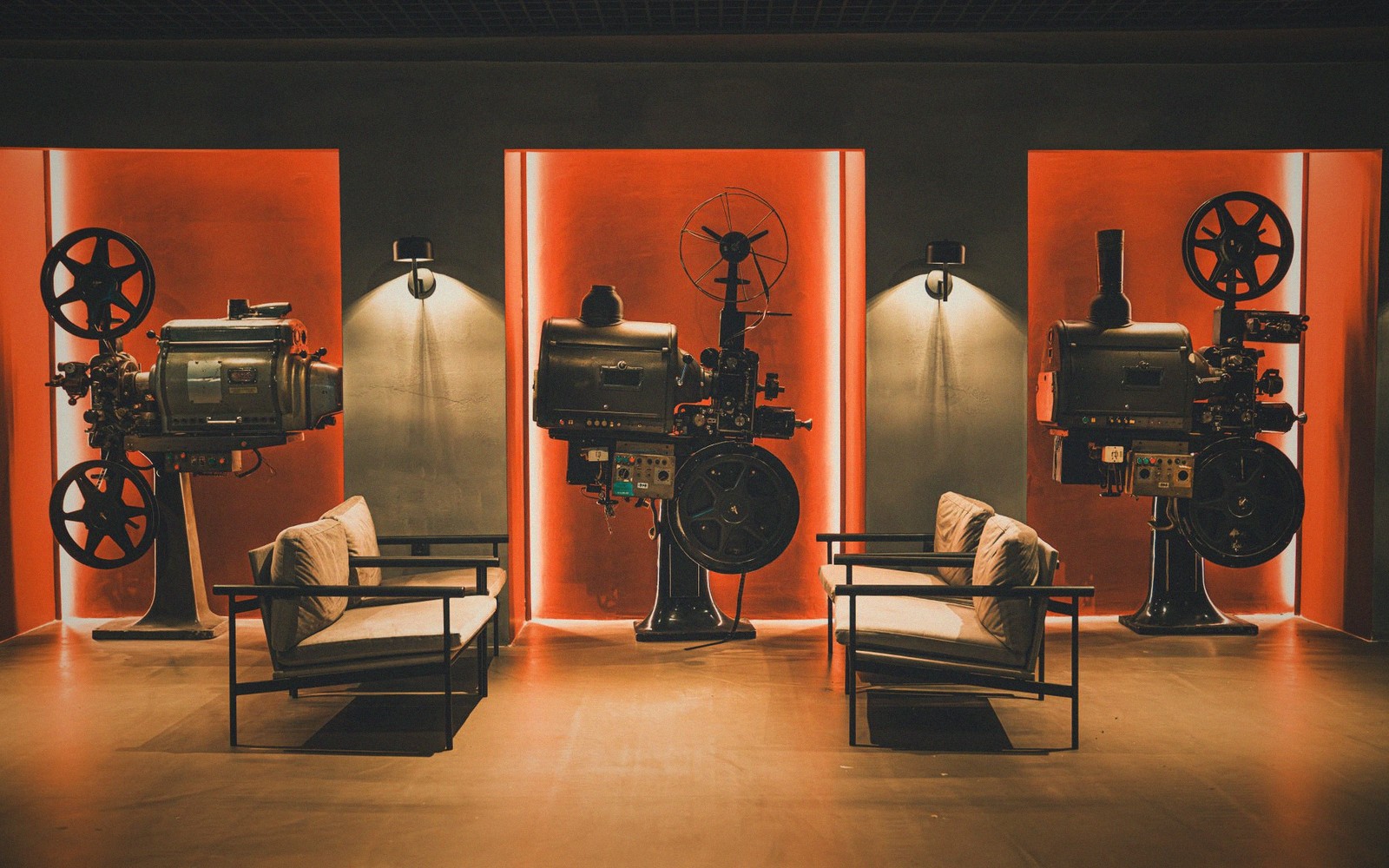
Five perforations per frame and a mile of silver — what the big format actually buys.
When the inmates took the asylum — the era that rewrote what an American film could be.
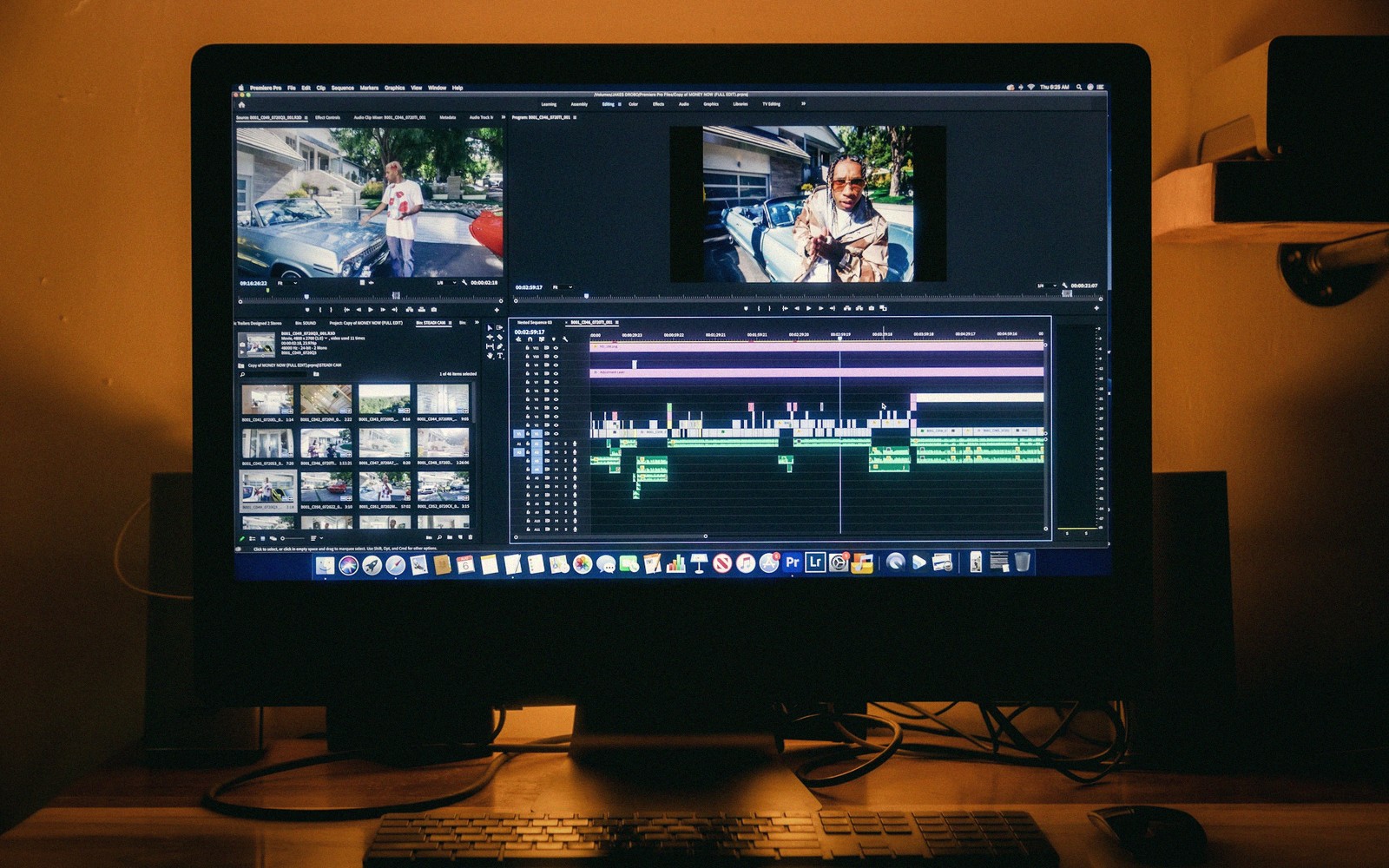
Where films are truly written — the cut that makes meaning between two shots.
The oldest pleasure in the dark — how fear is built, frame by frame.
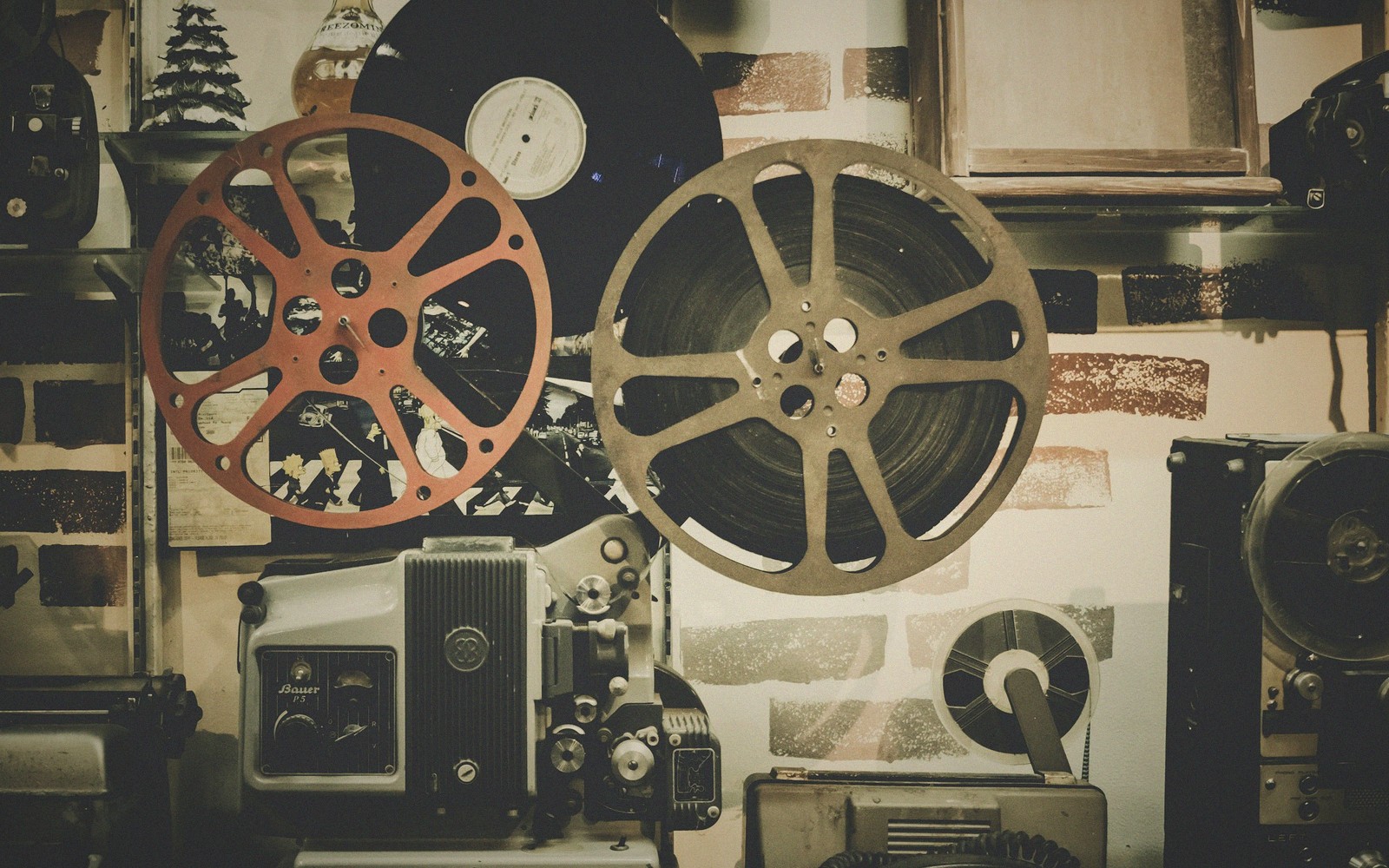
The medium's first language, and the revolution that nearly broke it.
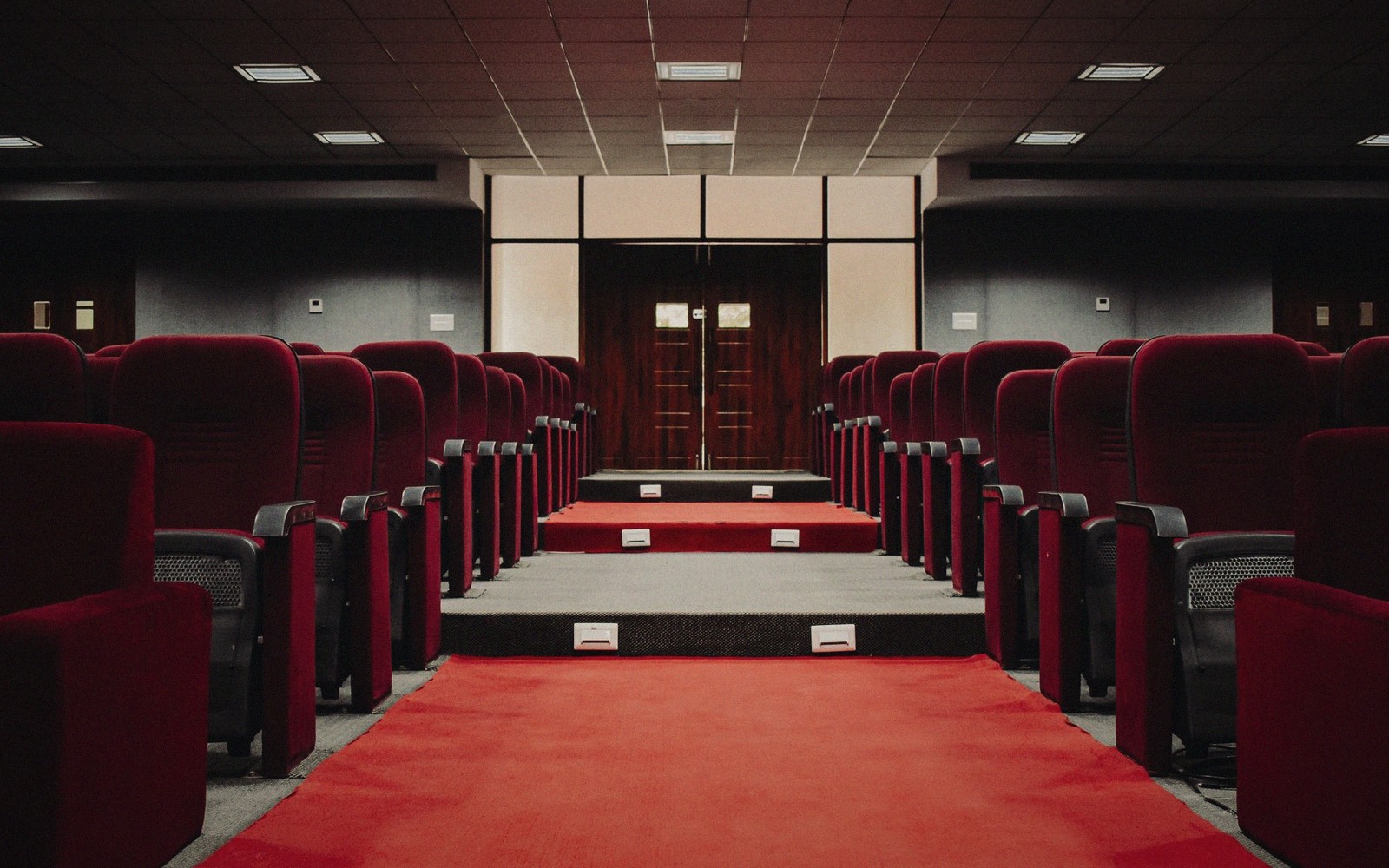
A short code for full houses — written by people who love sitting in them.
Wide, medium, close — the sentence structure of the moving image. Six distances, six different claims on your attention.
Places a figure in the world; the world dominates.
The whole body and its space.
Waist up — the shot of conversation.
The face, the emotion, the detail that matters.
An eye, a hand, an object — pure emphasis.
A cutaway to a detail the story needs you to see.
How films are actually made — image, cut, sound and design.
4 ENTRIES → ii.The great forms — noir, the western, sci-fi, horror and more.
4 ENTRIES → iii.From the silent era to New Hollywood — how cinema kept reinventing itself.
4 ENTRIES → iv.Film literacy — reading a scene and getting more from every viewing.
4 ENTRIES → v.The theatre, the ritual, and the people running the machines.
4 ENTRIES →Organisations that share a seat in the dark with us, listed in the credits below.
 TUSHY knows every great film has that one scene you can't look away from.
 He's Got Rizz is the charming leading-man origin story playing out one scene at a time.
 FTMMen brings bold, boundary-pushing character work you won't find on any other screen.
 Bang Bus has been rolling since 1999 — cinema's most legendary road-trip series.
The seat is part of the medium. A film watched in a full house is a different film.
About the booth Mom Is Horny delivers the kind of commanding lead performance that steals every scene.
 GenderX Films brings auteur-level casting and stunning new faces to every scene.
 Sweetheart Video proves the most compelling love stories are shot with genuine feeling.
 JoyMii understands that true on-screen chemistry is the rarest art in the business.
 Couple Swapping knows that trading partners and trading film genres both reward the adventurous.
 Greedy Creampies knows the best finales always leave audiences wanting more.
 Hot Crazy Mess puts you in the director's chair with wild first-person footage.
 Young Perps proves every great scene needs real consequences for the cast.