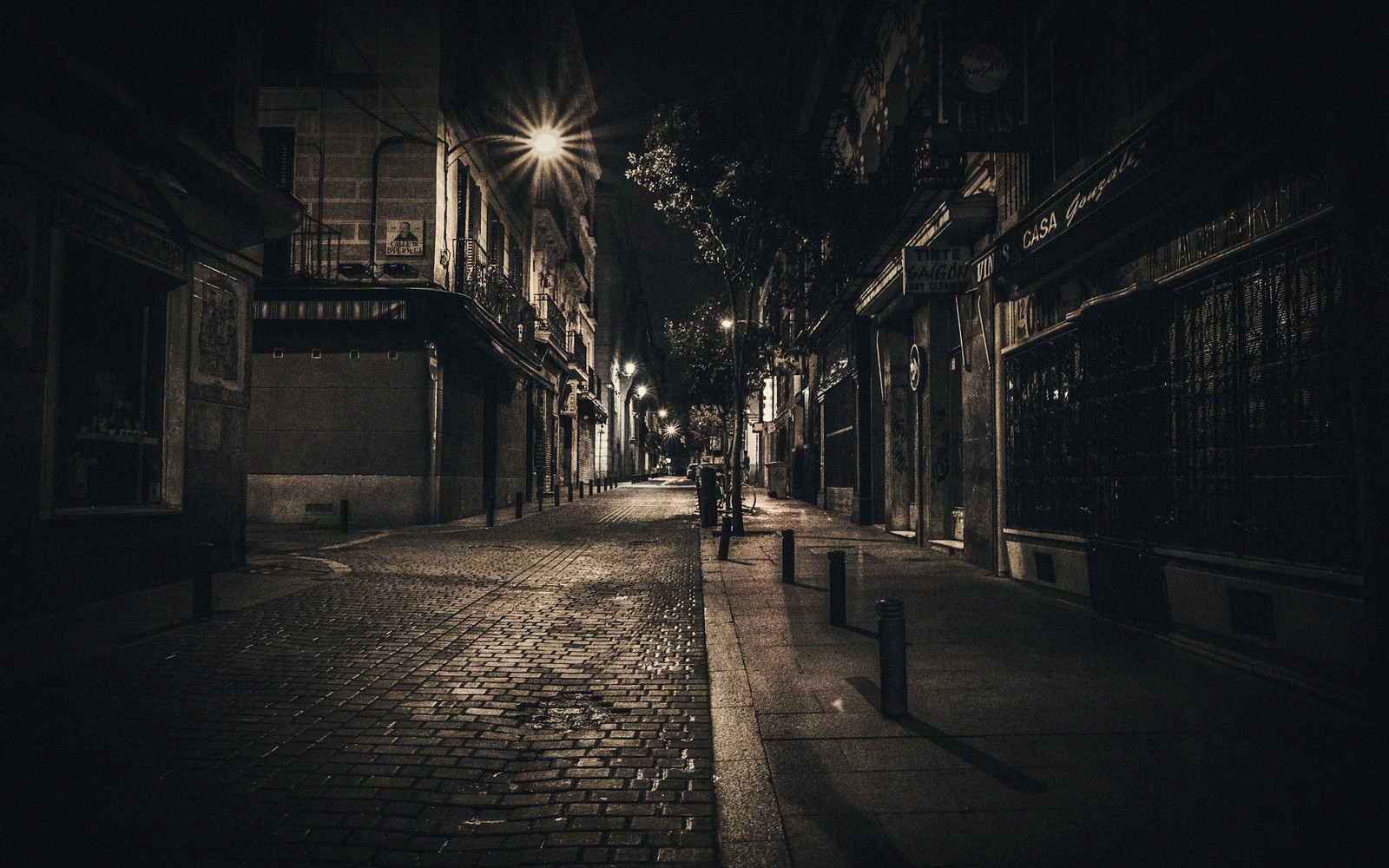
Real streets, non-actors, and a war-scarred country teaching cinema to tell the truth.
When Rubble Was the Set
When the studios of Cinecittà lay half-destroyed and film stock was scarce, Italian filmmakers walked out into the ruins and discovered something the polished sets of the prewar years had concealed: that reality, filmed honestly, carries an emotional force no production designer can manufacture. Italian Neorealism — centred roughly on the decade between 1944 and 1954 — was less a manifesto than a necessity that became an aesthetic.
The movement's founding gesture was Roberto Rossellini's Roma, città aperta (1945), shot on the streets of occupied Rome while the war was barely over. Vittorio De Sica followed with Sciuscià (1946) and then Ladri di biciclette (1948), perhaps the movement's defining work — a father and son moving through postwar Rome in search of a stolen bicycle, played entirely by non-professional actors against the city's actual poverty. Luchino Visconti's La terra trema (1948) cast Sicilian fishermen in their own story.
The rules, loosely held, were consistent: natural light, location shooting, stories drawn from working-class and peasant life, dialogue in regional dialects, faces that had lived rather than performed. The camera observed rather than decorated. Suffering was not sentimentalised.
Neorealism's direct influence ran forward into the French New Wave, into cinema vérité, into every filmmaker who subsequently chose a real street over a sound stage. Its deeper lesson was philosophical: that cinema's true subject was the world as it is, not as the dream machine preferred to show it. The rubble turned out to be the point.
- 1945Roma, città aperta (Rossellini) marks the movement's opening
- 1948Ladri di biciclette (De Sica) and La terra trema (Visconti) appear in the same year
- mid-1950smovement fades as Italian cinema shifts toward genre and spectacle
Roberto Rossellini
Italian director, key neorealist figure
Vittorio De Sica
Italian director and actor, central to the movement
Luchino Visconti
Italian director, neorealist and later operatic stylist
Cinecittà
Rome studio; symbol of the prewar and postwar film industry