The factory that dreamed — how five studios, a handful of moguls, and an army of contract talent built an industrial cinema that somehow kept producing art.
The Machine Behind the Magic
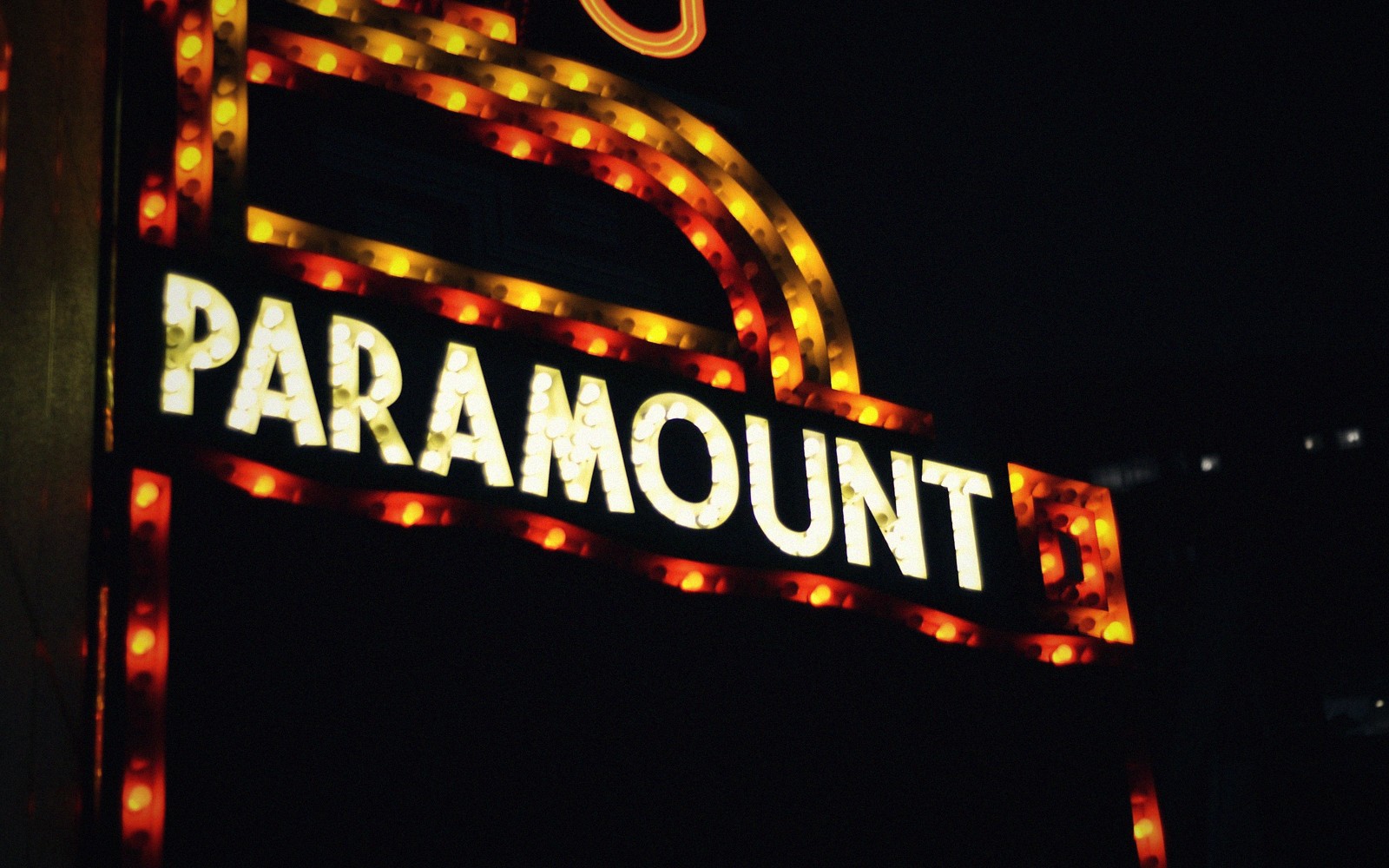
Between roughly 1930 and 1960, five major studios — MGM, Paramount, Warner Bros., RKO, and 20th Century Fox — controlled American cinema with a thoroughness that has never been replicated. They owned the production facilities, the distribution networks, and crucially, through a practice called block booking, the first-run theatres where the films played. The Supreme Court's United States v. Paramount Pictures decision in 1948 would eventually dismantle this vertical monopoly, but for the two decades before that ruling, the studio system was a closed loop: content in, profit out, and the creative talent somewhere in the middle, contractually obligated to keep moving.
It was, without apology, a factory. MGM alone released roughly one film a week during its peak years. Writers were assigned pictures they hadn't chosen. Directors shot from schedules they hadn't set. Cinematographers developed house styles — the high-key, shadowless glamour of MGM portraiture; the expressionist shadows that Warner Bros. carried over from its crime programmers — and applied them with industrial consistency. The wonder isn't that formula often won. The wonder is how much genuine craft, and occasional brilliance, survived the conveyor belt.
The contract system is where the mythology of the Golden Age concentrates and distorts. Studios didn't just employ stars; they manufactured them — assigning names, reshaping faces, dictating public personas, and farming talent out to rival lots for loan fees that the talent never saw. Actors could be suspended without pay for refusing roles. Writers were stacked in rooms like batteries. And yet within this system, specialisation also flourished. A cinematographer who spent a decade shooting musicals learned to light dance with a precision that a freelancer never accumulates. A character actor who appeared in sixty films over ten years built a vocabulary of gesture that no drama school replicates. The factory produced artisans, and some of those artisans were genuinely extraordinary.
What the System Made
The genres that define this era weren't accidents of inspiration — they were product lines. The screwball comedy emerged partly because censorship under the Production Code, adopted in full enforcement from 1934, pushed sexual tension into the realm of verbal wit and slapstick: if the body was off-limits, language had to do extraordinary work. Film noir — that shadow-soaked cycle of crime, paranoia, and moral rot — borrowed its visual grammar from German émigré cinematographers who had fled Europe and arrived in Hollywood carrying Expressionism in their luggage. The musical, the Western, the woman's picture: each was a formula refined across dozens of iterations until individual films could deviate precisely enough from the formula to feel fresh without confusing the audience.
What this system produced, at its best, was a cinema of supreme professional confidence. Watch the cutting in a Hawks screwball comedy, the way overlapping dialogue is edited so that no joke lands too early or too late. Study the deep-focus compositions in a Wyler picture — figures sharp from foreground to background, the frame doing the argumentative work that another director might hand to an editor. The best Golden Age cinematographers understood available space the way a stage designer understands a proscenium: not as a limitation but as a given, within which everything is deliberate. Cinematography in this era was studio craft codified into near-doctrine, which meant that when a practitioner broke from it, the break registered.
The stars remain the most visible inheritance. But what made the great contract players extraordinary wasn't glamour — it was the sheer volume of work. James Cagney, Bette Davis, Cary Grant, Barbara Stanwyck, Humphrey Bogart: these were performers who appeared in film after film, refining and complicating their screen presence until it became a kind of shorthand the audience could read instantly, and the best directors could then quietly subvert. The audience's familiarity with a star was itself a narrative resource. When a film cast against type, it meant something, because the type had been so thoroughly established.
After the Factory
The Paramount decree cracked the structure; television finished the job. By the mid-1950s, studios were renting their back catalogues to the small screen, shooting widescreen epics to offer audiences something television couldn't, and gradually releasing contract players whose upkeep outweighed their reliability as product. The factory model didn't collapse overnight — it dissolved, slowly, into the independent, package-unit system that would eventually enable New Hollywood's director-centred revolution.
What the Golden Age left behind isn't a canon of perfect films, though it produced many. It left a grammar — a set of storytelling conventions so deeply embedded in how cinema works that most viewers absorb them without knowing it. The three-act structure, the eyeline match, the establishing shot, the star entrance: these were Golden Age standardisations. Cinema before this period was still inventing its language; cinema after it has largely been arguing with, extending, or reacting against what those thirty years normalised. The factory closed. The dreams it manufactured are still running.
- Early 1930ssound cinema stabilises; studio system reaches full industrial form
- 1934Production Code strictly enforced, reshaping genre content
- 1948Paramount decree orders studios to divest theatre holdings
- Mid-1950stelevision pressure accelerates studio restructuring
- Late 1950s–early 1960scontract system dissolves; classical era ends
MGM
Metro-Goldwyn-Mayer
Hollywood's most glamorous major studio, known for high-budget productions
Warner Bros.
studio associated with crime films, social realism, and Expressionist visual style
Paramount Pictures
major studio; defendant in the landmark 1948 antitrust case