The Name That Came From Outside
Here is the first strange thing about film noir: the people who made it didn't know they were making it. The term was coined not in Hollywood but in Paris, when French critics — returning to American cinema after wartime import bans — noticed something new and unsettling running through a cluster of films from the early 1940s. Nino Frank and Jean-Pierre Chartier wrote about it in 1946. The directors, studios and actors they were describing had no such label to hand. They were making crime pictures, melodramas, thrillers. The name arrived after the fact, from abroad, and it stuck.
That origin matters because it explains why film noir has resisted tidy definition ever since. Is it a genre? A visual style? A mood? A historical moment? Critics have been arguing the point for decades, and the honest answer is: it is all of these, tangled together, and that is precisely what makes it interesting.
What It Looks Like, and What That Means
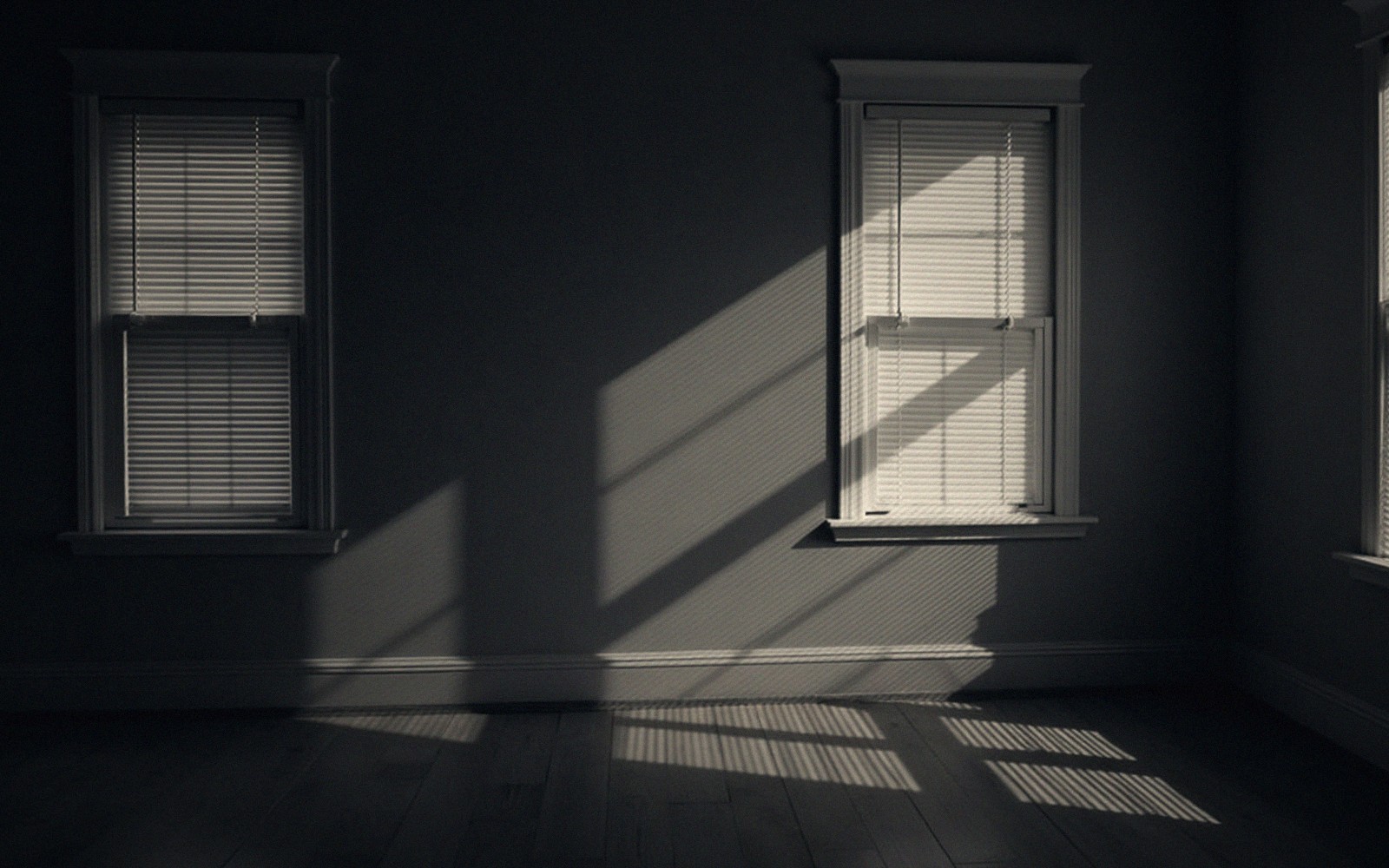
The visual grammar of noir is among the most immediately recognisable in all of cinema. High-contrast black-and-white photography — chiaroscuro borrowed from German Expressionism and refracted through Hollywood craft — fills frames with deep shadow, oblique angles and light that falls in venetian-blind slats across a character's face. The look is not decorative. It is argumentative. When a face is half-consumed by darkness, the image is already saying something about the impossibility of knowing anyone fully, including yourself.
Cinematographers working in this mode — many of them European émigrés who had fled fascism and brought a continental visual sensibility with them — understood how light, lens and movement shape feeling. The wet streets beloved of the genre are not just atmosphere. They reflect light in ways that turn the ordinary city into something unstable, doubled, untrustworthy. The world of noir gleams precisely because it cannot be trusted.
The camera placement reinforces this. Low angles make ordinary interiors feel oppressive; canted frames suggest a world tilted off its moral axis; deep focus keeps threats in the background sharp and present. Every compositional choice encodes anxiety.
Fatalism, the Femme Fatale, and the Compromised Man
The content matches the form. Noir protagonists are not heroes in any conventional sense. They are men — almost always men — who make one bad choice, or discover that a bad choice was made for them long ago, and watch the consequences close like a trap. The narrative structure tends toward inevitability: these are stories told in retrospect, often in voiceover, in which we know from the first reel that things have gone wrong. The suspense is not whether the fall will come, but how.
The femme fatale — one of cinema's most durable and debated figures — drives much of this machinery. She is dangerous, usually, because she has desires and ambitions in a world that offers her almost no legitimate route to satisfy them. The misogyny coded into many of these films is real; so is the ambivalence. In the best noir, the femme fatale is the one character with a genuine plan.
The moral landscape is consistently grey. Police are corrupt or incompetent; lawyers are venal; the city is a machine for exploitation. Post-war America produced these films in quantity, and there is a strong argument that noir is what happens when the official optimism of a nation bumps against returning soldiers, social dislocation and an economy that rewards some and discards others. The shadows on screen are social as much as photographic.
When Was It, and Is It Over?
The classical period runs roughly from The Maltese Falcon in 1941 through the mid-to-late 1950s, when colour stock, widescreen formats and shifting censorship began to alter the visual conditions. But noir did not end so much as mutate. The late 1960s and 1970s revisited its tropes with the self-consciousness of New Hollywood, producing neo-noir that acknowledged its own debt while pushing the darkness further. Later decades kept returning: the form proved too generative, too philosophically honest about power and desire, to expire.
Today the term is applied to novels, television, video games and graphic novels as readily as to films — which tells you something about how successfully its visual and moral vocabulary has detached from any single medium. Whether you call that influence or inflation depends on your tolerance for imprecision.
What noir actually is, finally, may be this: a way of looking at ordinary life that refuses to pretend the shadows are not there. Darkness pools in corners, the deal goes wrong, the clever man is undone by the thing he wanted most. The style and the worldview are inseparable. That is why, more than seventy-five years after those French critics named what they saw, the films still feel true.
- 1941classical noir begins with The Maltese Falcon
- 1946term "film noir" coined by French critics reviewing American imports
- Mid-to-late 1950scolour, widescreen and shifting censorship close the classical period
- Late 1960s–1970sneo-noir emerges from New Hollywood revisionism
Nino Frank
French critic who co-coined the term "film noir" in 1946
Jean-Pierre Chartier
French critic, co-author of early noir analysis
Hollywood
production centre for classical American noir films
Paris
where "film noir" was named, by critics seeing American films post-war