Fear Is a Formal Problem
Horror is cinema's most honest genre. Every film wants your body — your laughter, your tears, your held breath. Horror simply admits it. The goal is physiological: a racing pulse, a flinch, a hand over the eyes. That brazenness is part of why serious criticism took so long to take it seriously, and why devoted audiences never needed the critics at all.
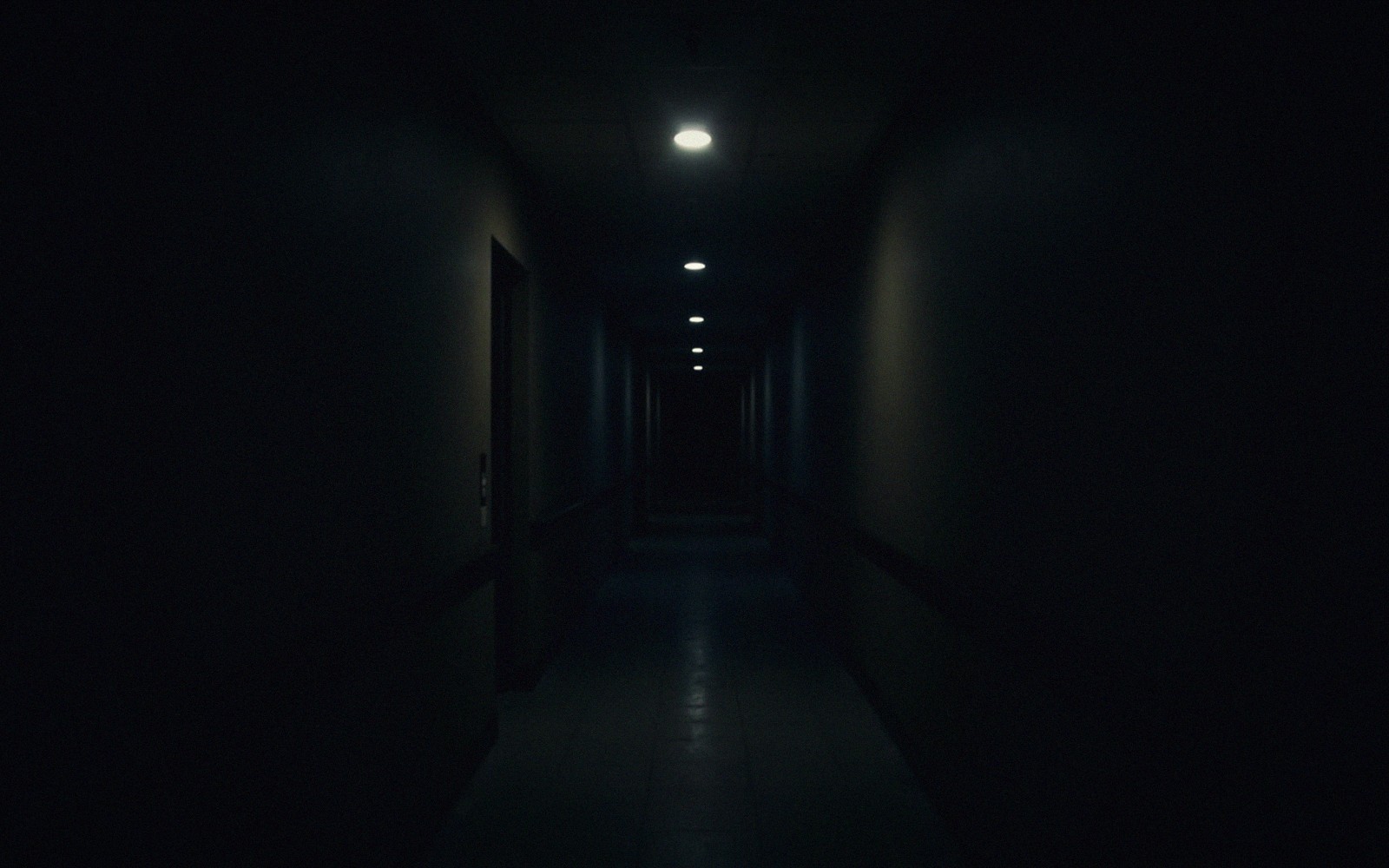
What distinguishes great horror from mere shock is architecture. A jump scare is the cheapest tool in the kit — a loud noise married to a sudden image — and it works roughly once. Dread is something else entirely. It is built through negative space: the doorway nobody walks through yet, the sound that stops when it should continue. The genre's true currency is anticipation, and anticipation is a matter of framing, pacing, and sound.
Directors working in the form have always understood that what you withhold is more frightening than what you show. The language of the close-up becomes a precision instrument here — a character's widening eye tells us something terrible is happening just outside the frame, and our imagination, reliably, makes it worse than any effects budget could. Similarly, sound design does heavy lifting: the wrong silence, a register just below conscious hearing, a familiar melody turned fractionally atonal.
Horror also works because it grants permission. The dark auditorium and the genre contract together create a safe container for feelings that daily life suppresses — dread, helplessness, the awareness of mortality. Audiences have understood this intuitively since at least the Grand Guignol stage productions of the late nineteenth century, and cinema inherited the bargain the moment it was old enough to cut to a shadow on a wall.
The scare fades. The architecture that built it is what lasts.
Grand Guignol
Parisian theatre movement famous for extreme horror spectacle, active late 19th–early 20th century