The track you barely notice is doing the most work.
The Invisible Architecture
Cinema is a visual medium — until you mute it. Kill the audio on almost any scene and watch how quickly meaning drains away: tension collapses, emotion thins, place dissolves. What's left is a picture. What the sound was doing, you only notice in its absence.
The soundtrack operates on three layers. There's the score — composed music, whether orchestral, electronic or found. There are sound effects, from a footstep to a thunderclap to the designed roar of something that doesn't exist in nature. And there's dialogue, the layer most audiences consciously track. Underneath all three, shaping them, sits the room tone: the almost-silence that gives a space its character. A desert has a sound. So does an empty church. A scene cut to dead silence sounds unnatural precisely because real silence never is.
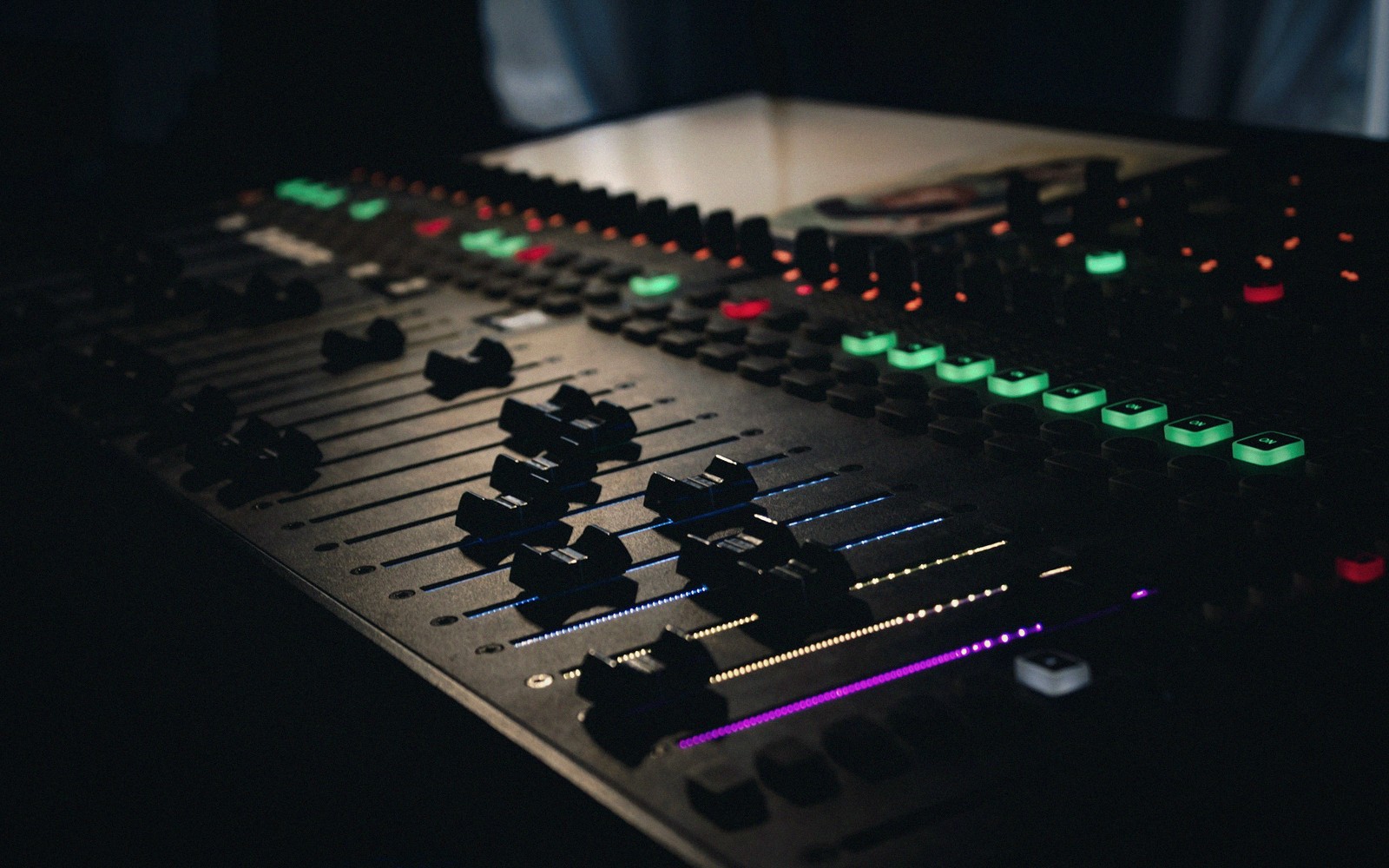
The craftspeople who balance and build these layers — sound designers, supervising sound editors, re-recording mixers — work largely unsung. But their decisions govern your experience. A low-frequency rumble, felt more than heard, primes the body for dread before any image confirms it. A sudden absence of music in a tense scene is more alarming than a sting. The crunch of gravel under a character's foot tells you where they are and, if it's mixed slightly too loud, tells you to pay attention.
Sound design also tells you how to interpret an image. The same shot of a face reads differently under a minor-key string figure than under ambient café noise. This is the track's quiet authority: it cues emotion before conscious thought catches up. We think we're reading the picture. We're reading the picture and the sound together, and the sound often got there first.
Next time a film unsettles you for reasons you can't quite place, close your eyes for a moment. The half you weren't watching will introduce itself.