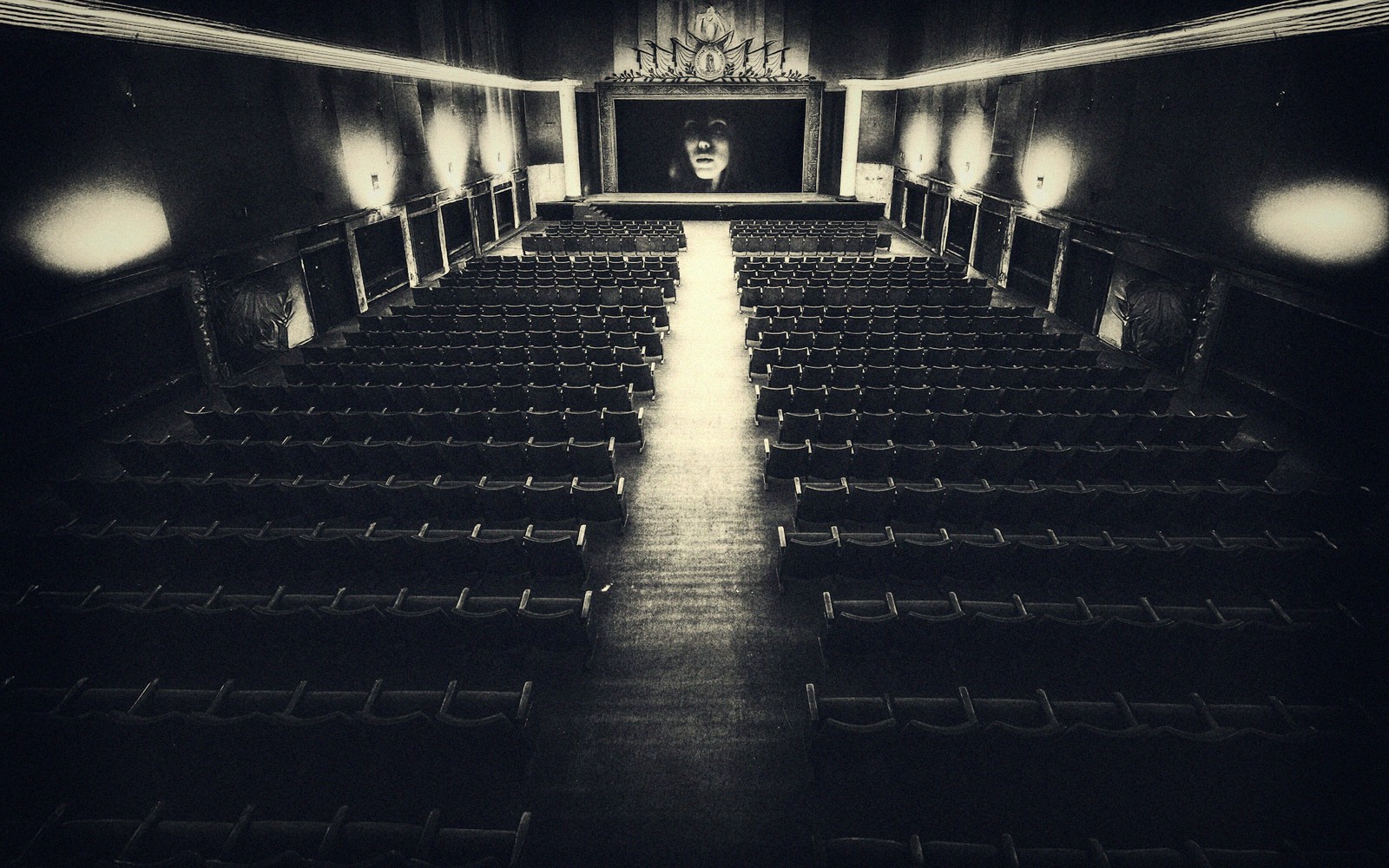
One Question Changes Everything
Most of us watch films the way we breathe — automatically, without attention to the mechanism. The story pulls us forward, and we arrive at the credits slightly dazed, having experienced something without quite seeing it. Active watching is simply the practice of staying conscious of the frame while still letting the film move you.
It starts with a single question, asked quietly and repeatedly: why this? Why this shot, this cut, this piece of music arriving now rather than thirty seconds ago? Cinema is a constructed thing — every choice was made by a human being in service of an effect. When you start asking why, you stop being a passenger and become a reader.
The most useful place to begin is mise-en-scène — the contents of the frame and how they're arranged. Before a character speaks, notice where they're standing, what's in front of them, what's behind. Light falls from somewhere specific; a director of photography made that call. Space is used or denied. Costume and colour carry information the script never states aloud.
Then listen to the cut. Editing sets the rhythm of your nervous system — a film that cuts every two seconds is doing something different to you than one that holds a shot for thirty. Notice when a scene ends: what was the last image? What's the first image of the next? The gap between two shots is where much of the meaning actually lives.
Sound is equally constructed and equally instructive. When music enters, ask what it's covering — silence that would otherwise be uncomfortable, or an emotion the image hasn't quite earned. Equally, notice what's absent. A sudden quiet is never accidental.
None of this requires pausing or rewatching (though both are fine). It requires only a slight shift in posture — a willingness to hold two things simultaneously: the story's pull and a quiet awareness of how that pull is being created. The best films reward this doubled attention extravagantly; they were made by people who assumed it.
Active watching, practised, becomes second nature. You don't lose the pleasure of the dream — you gain the pleasure of understanding the dreamer.
director of photography
the crew member responsible for lighting and camera choices